
How to Tell If Hail Damaged Your Roof in Kansas City
Hailstorms are a common occurrence in Kansas City, especially during spring and summer. While some storms pass with little impact, others can leave serious damage to your roof—often without obvious signs from the ground. Left unchecked, hail damage can lead to leaks, structural issues, and costly repairs.
Understanding how to identify hail damage early can save you time, money, and stress.
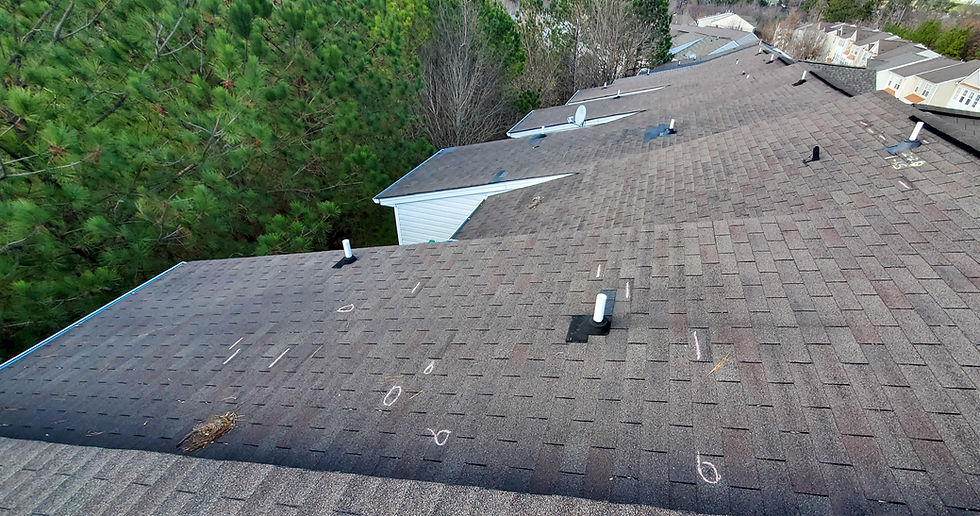
What Makes Hail So Damaging?
Hailstones vary in size and density. In Kansas City, storms can produce hail ranging from pea-sized to golf ball-sized or larger. When these ice pellets strike your roof at high speeds, they can:
Crack or bruise shingles
Dislodge protective granules
Expose the underlying roofing material
Weaken the structural integrity over time
Even minor hail can shorten your roof’s lifespan.
Common Signs of Hail Damage on Your Roof
1. Dented or Bruised Shingles
Hail impacts often leave soft spots or dents on asphalt shingles. These may not be visible from the ground but can be felt during a close inspection.
2. Granule Loss
If you notice granules collecting in your gutters or downspouts, it’s a strong indicator of hail damage. These granules protect your shingles from UV rays and weathering.
3. Cracked or Split Shingles
Larger hailstones can cause visible cracks or splits. This type of damage allows water to penetrate your roof more easily.
4. Damage to Roof Fixtures
Check metal components such as vents, flashing, and gutters. Dents or dings in these areas often signal that your shingles may also be compromised.
Signs Around Your Property
Roof damage rarely occurs in isolation. Look for these clues around your home:
Dents on cars or outdoor furniture
Damaged siding or paint
Broken window screens
Dented gutters or downspouts
If you see these signs, your roof likely took a hit as well.
Why You Shouldn’t Ignore Hail Damage
Ignoring hail damage can lead to:
Water leaks and interior damage
Mould and mildew growth
Reduced energy efficiency
Voided roofing warranties
In Kansas City’s climate, where storms are frequent, small issues can escalate quickly.
Should You Inspect the Roof Yourself?
While a visual check from the ground is safe, climbing onto your roof can be risky—especially after a storm. Slippery surfaces and hidden structural damage increase the chance of injury.
A professional inspection ensures:
Accurate damage assessment
Proper documentation (useful for insurance claims)
Identification of hidden issues
When to Call a Professional Roofing Company
If your area recently experienced a hailstorm, it’s best to schedule an inspection as soon as possible—even if you don’t see obvious damage.
TAG Roofing KC specialises in:
Hail damage inspections
Insurance claim assistance
Roof repairs and replacements
Preventative maintenance
Final Thoughts
Hail damage isn’t always obvious, but the consequences of ignoring it can be severe. By knowing what to look for and acting quickly, you can protect your home and extend the life of your roof.
If you suspect your roof has been affected by a recent storm in Kansas City, don’t wait—get it checked by professionals who understand the local weather conditions and roofing challenges.


Comments